Grading That Works With Water Flow
Dozer services in Williamstown for site preparation and precision grading on Northern Kentucky properties with challenging topography
Ridge country terrain and Kentucky River bottomland create grading challenges where improper dozer work sends water toward buildings instead of away from them, and clay soil moves differently under equipment weight than the sandy loam contractors encounter in other regions. Precision grading means understanding how water behaves on your specific slope and soil type, then shaping the land to work with natural drainage rather than fighting it. Ritchey Land Solutions handles dozer work for Williamstown construction and development projects where site preparation must account for local topography and seasonal water movement, operating as a registered and insured contractor with equipment suited to residential and commercial grade requirements.
The grading process establishes proper slope away from structures, levels building pads, cuts access roads into hillsides, and shapes drainage channels that prevent standing water during Northern Kentucky's wet months. Equipment selection and blade technique vary based on whether you're working with compacted clay, disturbed fill, or native soil with existing vegetation.
Request a site assessment to review grade requirements, drainage flow, and soil conditions before excavation or construction begins.
What Changes After Precision Grading Completes
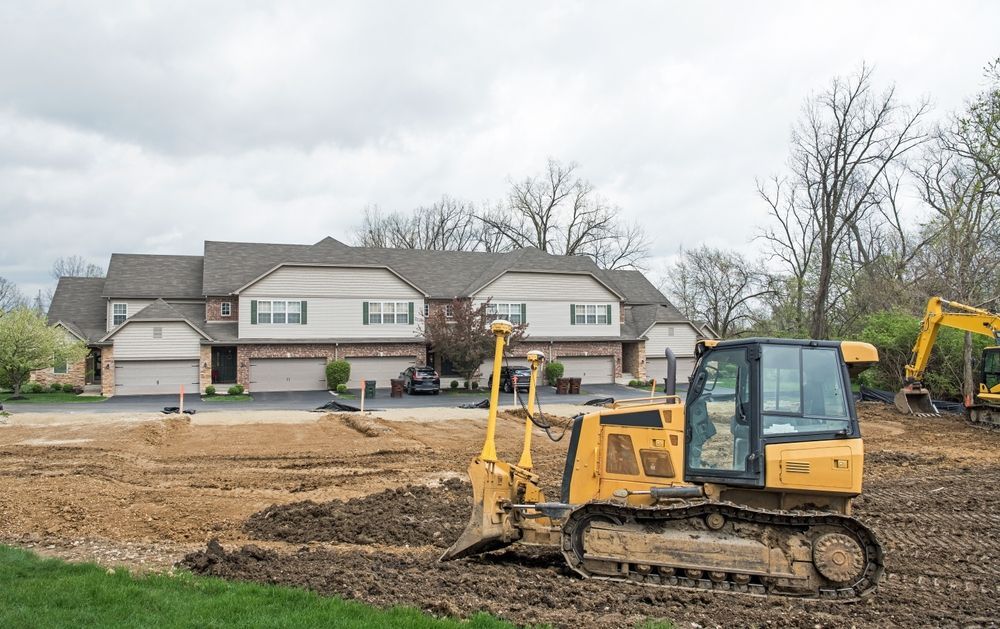
Dozer grading shapes raw land into building-ready sites by removing high spots, filling low areas, and establishing consistent slope that moves water predictably across the property. In Northern Kentucky, that involves understanding how clay soil sheds water when properly compacted versus how it holds water when disturbed, and grading techniques adjust blade angle and equipment weight distribution to minimize soil disturbance while achieving required elevations.
Once grading work is finished, you'll see level building pads with defined edges, access routes graded to prevent erosion, and ground that sheds rainfall toward drainage areas instead of collecting it near foundations. The finished grade shows consistent slope without abrupt elevation changes, and compacted soil provides stable support for concrete work, driveway installation, or utility trenching. Sites graded during dry conditions compact more predictably and show fewer settling issues after the first heavy rain.
Grading costs depend on how much material needs moving, whether fill dirt must be imported or excess soil hauled away, and the precision required for foundation work versus general land leveling. Steep slopes and restricted access increase equipment time, and projects requiring specific elevations for drainage compliance involve survey work that adds to site preparation timelines.
Answers to Frequent Service Questions
Construction projects and property development in areas with varied elevation and challenging soil often raise questions about how grading techniques adapt to local conditions.
What does precision grading accomplish that basic bulldozing doesn't?
Precision work establishes specific elevations and consistent slopes based on drainage requirements and building plans, rather than simply pushing dirt around until the site looks level, which often creates water problems that appear after construction is complete.
How does Northern Kentucky terrain affect dozer work?
Ridge country slopes and bottomland flooding patterns require grade management that accounts for seasonal water flow, and clay soil behaves differently than other soil types when compacted or disturbed by equipment.
What happens if grading doesn't account for natural drainage?
Water pools near foundations, driveways develop washout channels, and saturated soil creates access problems during wet weather—issues that require regrading to fix after buildings are already in place.
When should site grading happen in the construction timeline?
Grading comes after clearing and before utility installation, allowing time for the soil to settle and revealing any drainage issues before foundations are poured or permanent structures built.
What equipment size works for residential property grading in Williamstown?
Mid-size dozers handle most residential grading while fitting through standard access gates and minimizing turf damage on established properties where only part of the site needs reworking.
Ritchey Land Solutions operates registered dozer equipment with operators experienced in Northern Kentucky's soil behavior and terrain challenges. Schedule a property evaluation to identify grade requirements and drainage considerations specific to your building site or development project.