Hauling That Meets Certification Standards
Dump truck services in Williamstown for material transport and debris removal on Northern Kentucky construction and excavation projects
Unlicensed hauling creates liability when material spills on public roads or equipment damages residential driveways, and Northern Kentucky's wet weather months turn clay soil into a traction challenge that requires experienced operators who know how to load and navigate without getting stuck on-site. Ritchey Land Solutions provides DOT certified dump truck services for Williamstown projects where material delivery and debris hauling must meet legal requirements and access limitations common on residential properties. This registered and insured operation uses equipment sized to navigate standard driveways and rural access roads while meeting state hauling regulations.
Professional hauling involves more than owning a truck—it requires DOT certification, proper insurance coverage, load securement that prevents material loss during transport, and equipment maintained to handle Kentucky's road conditions year-round. Clay soil tracked onto paved roads creates hazards, so proper hauling includes site access planning that minimizes mud transfer and property damage.
Contact the operation to discuss material quantities, site access conditions, and hauling timelines for your excavation or construction project.
Why Proper Certification Works for Material Transport
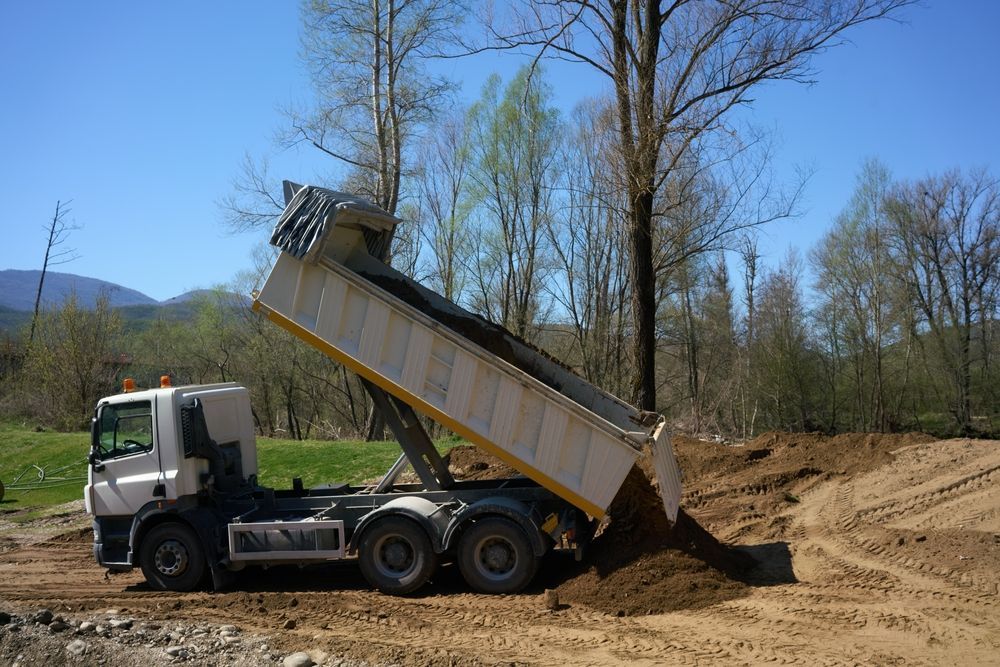
DOT certified hauling means the operation carries required insurance, maintains equipment to safety standards, and operates legally on public roads with commercial loads. Truck size matters when accessing residential properties—equipment too large damages driveways and can't navigate narrow lanes common in Northern Kentucky's rural areas, while undersized trucks increase trips and project costs. Certified operators understand load limits, weight distribution, and how to handle clay soil's tendency to stick to tires and undercarriages during wet conditions.
When hauling is complete, material arrives where specified without spillage or damage to your property access, debris is removed from the site entirely rather than dumped illegally, and you receive documentation of proper disposal when required. The difference between professional hauling and informal truck services shows up in site cleanliness, adherence to schedules, and whether material actually goes where it's supposed to rather than the nearest convenient dump spot.
Hauling costs reflect load size, material type, distance to disposal or delivery sites, and access difficulty on your property. Clay soil conditions during wet months may require additional trips with smaller loads to prevent equipment from damaging soft ground, and some materials like contaminated soil or construction debris require specific disposal locations that affect hauling rates.
What Property Owners Usually Ask
Projects requiring material delivery or debris removal in areas with access challenges and seasonal weather conditions often involve questions about how certified operations handle logistics differently than informal hauling.
What does DOT certification indicate about a hauling operation?
DOT numbers confirm the operation is registered for commercial transport, carries required liability insurance, and meets federal and state regulations for operating heavy equipment on public roads with commercial loads.
How does truck size affect residential property access?
Mid-size dump trucks navigate standard driveways and rural lanes without damaging pavement edges or getting stuck in soft soil, while larger commercial trucks often can't access residential properties without causing damage that exceeds project budgets.
What happens during wet weather hauling in Williamstown?
Clay soil becomes slippery and easily rutted when saturated, so experienced operators adjust load sizes, use access routes that minimize turf damage, and may delay hauling during heavy rain to prevent creating permanent ruts that require regrading to fix.
When does material hauling require specific disposal documentation?
Excavated soil from commercial sites, debris containing treated lumber or roofing materials, and certain construction waste must go to approved disposal facilities, with documentation proving proper handling for environmental compliance and liability protection.
What certifications should hauling contractors carry beyond DOT numbers?
State business registration, general liability insurance, and commercial vehicle insurance protect property owners if hauling operations cause damage or if material disposal creates legal issues after the contractor leaves.
Ritchey Land Solutions maintains DOT certification, state registration, and proper insurance coverage for hauling operations across Northern Kentucky properties. Arrange a project consultation to review material quantities, access conditions, and scheduling requirements before excavation or clearing work begins.