Digging That Accounts for Local Soil
Excavation in Williamstown for construction sites where soil conditions vary from ridge clay to river bottom sand
Grant County's soil shifts drastically depending on elevation and proximity to waterways, which means excavation work requires more than a standard approach. Ritchey Land Solutions provides excavation services across Williamstown and surrounding Northern Kentucky communities, handling earth moving projects where local geology determines the digging method. This registered and insured operation uses equipment matched to soil type, preventing the delays that occur when contractors encounter unexpected clay layers or sandy pockets mid-project.
Excavation involves removing earth to specified depths and grades, but the process changes depending on whether you're digging through dense ridge clay that requires different equipment pressure or working in looser river bottom sand that collapses without proper shoring. Knowing which soil you'll encounter before the bucket hits the ground prevents equipment damage, timeline extensions, and the need to bring in different machinery mid-job.
Schedule a site evaluation to identify soil conditions before excavation begins.
What Proper Excavation Requires in Variable Terrain
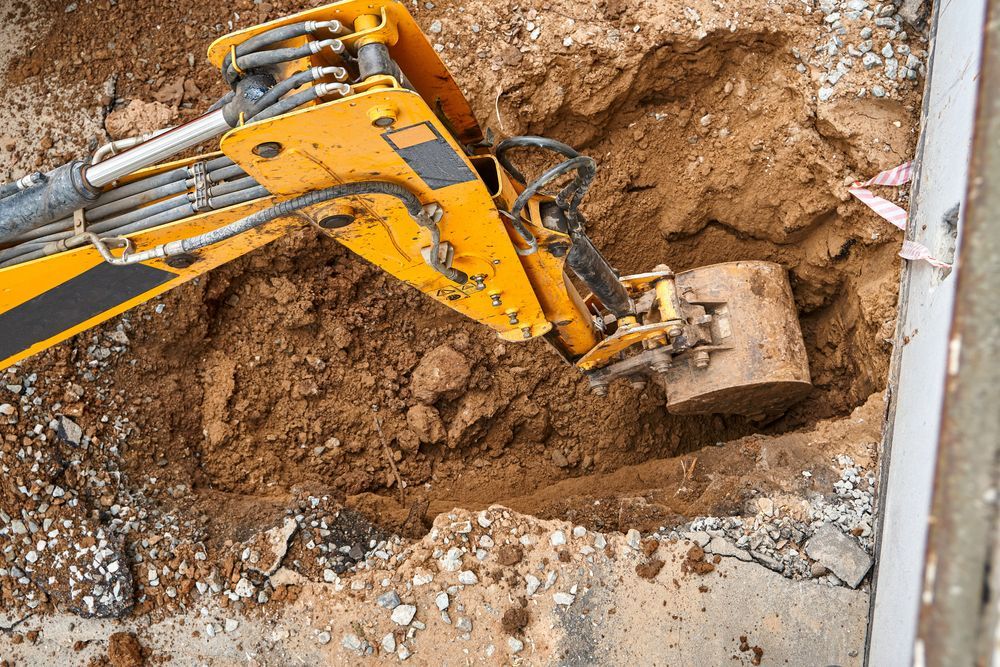
The excavation process starts with understanding what's below the surface, since clay-heavy soil compacts differently than sandy soil and each requires adjustments in how the equipment operates and how quickly material can be moved. In Northern Kentucky, a site located on higher ridges typically involves dense clay that holds its shape during digging, while properties closer to river valleys often have sandy or silty soil that requires more careful slope management to prevent cave-ins.
Once excavation is complete, you'll notice that the site matches the specified grade and depth without unexpected low spots or uneven areas that would require additional fill later. The edges remain stable, the bottom sits level, and drainage patterns follow the intended direction rather than pooling in unplanned areas. Ritchey Land Solutions operates as a registered contractor with equipment capable of handling Northern Kentucky's range of soil types, which means the excavation phase doesn't turn into a prolonged series of adjustments as different ground conditions appear.
Proper excavation also includes removing unsuitable material when encountered, such as organic topsoil layers or pockets of unstable fill, and replacing it with compacted material that supports the intended structure. Projects that skip this step often face settling issues later, since foundations and slabs perform only as well as the soil beneath them allows.
Questions Before Starting Your Excavation Project
Northern Kentucky's soil variability means excavation projects require planning that accounts for what's actually underground, not just what the surface suggests.
What happens if soil conditions differ from what's expected?
The excavation approach adjusts based on what the equipment encounters, whether that means switching to a different bucket type for clay or altering the slope angle for sandy soil, and registered contractors carry insurance that covers the project if conditions require changes.
How does clay soil affect excavation timelines in Williamstown?
Dense clay requires slower, more deliberate digging to avoid overloading equipment and to maintain stable trench walls, which means projects in ridge areas typically take longer per cubic yard than those in sandier lowland soil.
What should be removed during excavation beyond just digging the hole?
Any organic material, old fill, or unstable soil layers need to come out and be replaced with properly compacted material, since leaving unsuitable soil in place leads to settling and structural problems once weight is applied.
Why does equipment choice matter for different soil types?
Clay soil requires excavators with higher breakout force and narrower buckets to penetrate compacted layers, while sandy soil needs wider buckets and careful attention to trench wall angles to prevent collapse during the dig.
When is the best time to schedule excavation in Northern Kentucky?
Late summer and early fall typically offer drier soil conditions that make excavation easier and faster, while spring's wet weather can turn clay into sticky, difficult-to-move material that clings to equipment and slows progress.
Ritchey Land Solutions operates throughout Northern Kentucky with equipment and local soil knowledge that prevents excavation delays. Contact (859) 428-6336 to arrange a site assessment before your project begins.