Sites Prepared for What You're Building Next
Land clearing in Williamstown for Northern Kentucky properties with dense vegetation, uneven terrain, and seasonal drainage concerns
Grant County's clay soil base changes how water moves across cleared land, and seasonal flooding along Kentucky River bottoms means clearing techniques need to account for drainage patterns that shift with weather. Ritchey Land Solutions handles land clearing for Williamstown properties where trees, brush, and debris removal must work with the terrain rather than against it. This registered and insured operation brings DOT certification for material hauling and years of local experience with Northern Kentucky's ridge country topography and soil behavior.
The clearing process removes trees, brush, stumps, and surface debris while preserving existing drainage channels that prevent standing water during wet months. Clay soil compacts easily under equipment weight, so proper clearing involves grading work that maintains water flow paths and prevents erosion once vegetation is removed.
Schedule a site evaluation to review drainage conditions and clearing requirements specific to your property layout.
What Proper Site Preparation Requires
Complete clearing involves more than cutting and hauling vegetation—it requires understanding how water moves across your property once tree root systems and ground cover are gone. Equipment selection depends on terrain slope, soil moisture levels, and whether the site needs immediate grading or will sit before construction begins. In Northern Kentucky's clay-heavy soil, clearing during dry months reduces compaction and preserves topsoil structure.
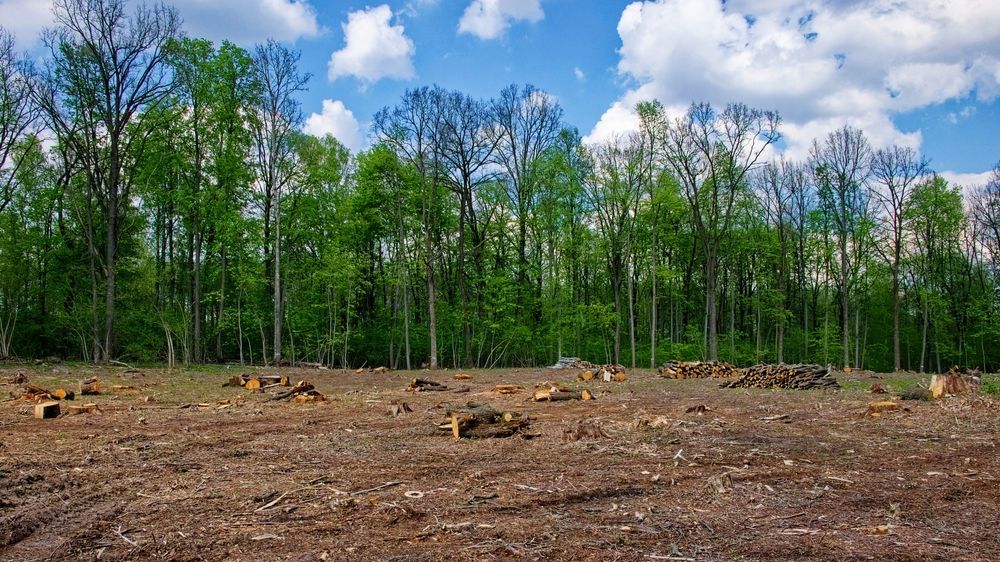
Once clearing is finished, you'll see defined property boundaries, accessible terrain for construction equipment, and graded areas that shed water rather than collecting it. Debris is hauled off-site through DOT-certified transport, and stump removal leaves level ground ready for building foundations, driveways, or pasture development. The difference between cleared land that stays usable and sites that turn into mud pits during rain comes down to whether drainage was considered during the clearing process.
Clearing costs vary based on vegetation density, terrain accessibility, and whether material can be mulched on-site or requires hauling. Projects on sloped land or near water features require additional grading work to manage runoff, and wet-season scheduling may add time but prevents soil damage that creates long-term drainage problems.
Questions About Clearing Northern Kentucky Properties
Property owners working with ridge country terrain and bottomland flooding patterns often ask how clearing methods account for local soil and water behavior.
What happens to drainage patterns after vegetation is removed?
Clearing removes root systems that previously absorbed water, so the process includes grading work that redirects runoff toward existing drainage channels or away from building areas to prevent pooling on clay soil.
How does clay soil in Williamstown affect clearing methods?
Clay compacts under equipment weight when wet, so clearing timing and equipment selection focus on minimizing soil damage that creates water retention problems after the project is finished.
What gets removed during complete site preparation?
Trees, brush, stumps, roots, and surface debris are cleared, with material either mulched on-site for erosion control or hauled off depending on your project timeline and intended land use.
When should clearing happen for construction projects?
Dry months reduce equipment impact on soil structure, but clearing before wet weather allows time for the site to settle and reveals any drainage issues before construction begins.
What certifications matter for land clearing contractors?
State registration, liability insurance, and DOT certification for hauling debris off residential properties indicate a contractor operating legally with proper equipment and coverage.
Ritchey Land Solutions operates as a registered and insured contractor with equipment sized for Northern Kentucky's terrain challenges and access limitations. Request a property assessment to review vegetation density, drainage flow, and site preparation requirements before work begins.