Driveways Engineered for Clay Soil Conditions
Gravel driveways in Williamstown for Northern Kentucky residential and commercial properties dealing with bottomland flooding and clay soil base
Kentucky's bottomland flooding and clay soil base turn poorly installed gravel driveways into washout channels and rutted mud pits after the first heavy rain, because clay doesn't drain like sandy soil and water sits on the surface instead of percolating down through base material. Proper gravel installation starts below the surface with engineered base preparation that accounts for how water moves across clay and how freeze-thaw cycles shift material that isn't properly compacted. Ritchey Land Solutions installs and repairs gravel driveways for Williamstown properties where local soil conditions require more than spreading rock over existing ground, operating as a registered contractor with experience in Northern Kentucky's drainage challenges and seasonal weather patterns.
Driveway installation involves excavating native clay to proper depth, installing base material that provides drainage and load support, and topping with graded gravel selected for local climate and traffic patterns. Clay soil requires separation fabric between base and native ground to prevent intermixing that eliminates drainage capacity.
Schedule a property assessment to review soil conditions, drainage slope, and access requirements before driveway installation or repair begins.
What Engineered Driveway Installation Accomplishes
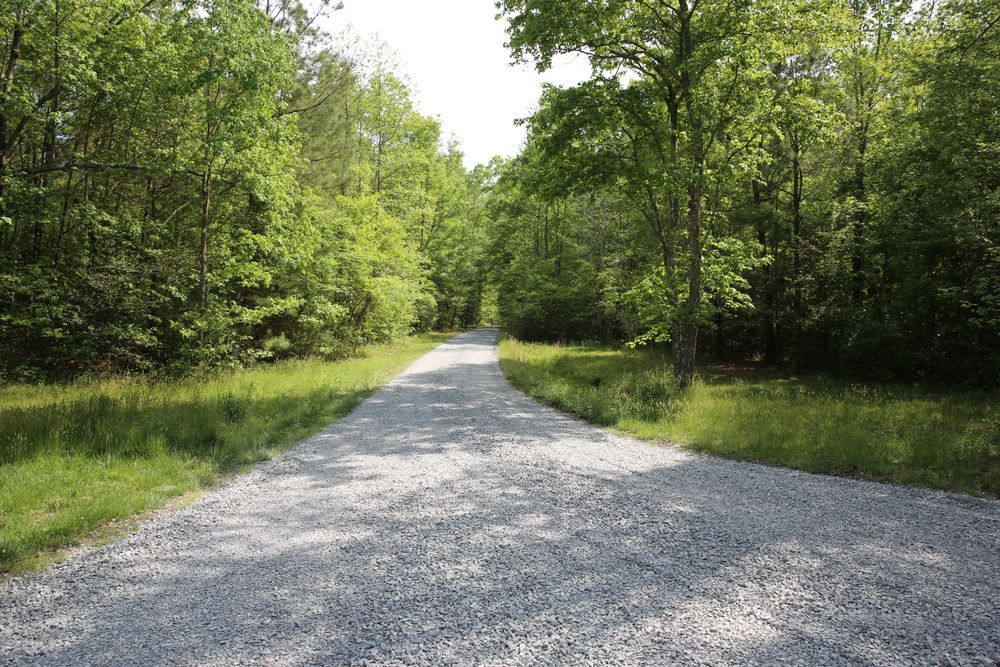
Base preparation determines whether a gravel driveway lasts decades or fails within seasons—proper installation removes clay to specified depth, creates crowned or sloped profile that sheds water to edges, and uses layered material that maintains structural integrity under vehicle weight. Gravel selection matters because soft stone crushes into fines that mix with clay and hold water, while properly graded angular rock interlocks and drains. Northern Kentucky's wet springs and freeze-thaw winters require base depth and material quality that exceeds minimum standards used in drier climates.
Once installation is complete, you'll notice a firm driving surface that doesn't rut under normal traffic, defined edges that contain material rather than letting it spread into adjacent areas, and water runoff that moves to ditches instead of pooling on the driveway surface. Properly installed driveways show minimal washout after heavy rain and maintain crown or slope that prevents standing water during Northern Kentucky's wet months. The difference between engineered installation and basic gravel spreading becomes obvious after the first winter when freeze-thaw cycles expose whether base work was done correctly.
Installation costs vary based on driveway length, base depth required for soil conditions, and whether existing material can be reused or must be replaced entirely. Properties with steep grades or poor natural drainage need additional base work and material to prevent washout, and commercial driveways handling heavy equipment require deeper base and larger stone than residential installations.
Questions Before Starting Your Project
Property owners replacing failed driveways or installing new access routes on clay soil often ask how proper installation prevents the rutting and washout problems common with basic gravel spreading.
What makes clay soil in Williamstown challenging for gravel driveways?
Clay doesn't drain—it holds water on the surface where it softens gravel base and creates ruts, and freeze-thaw cycles heave improperly installed material because water trapped in clay expands when frozen.
How does base preparation prevent driveway failure?
Excavating clay and installing layered stone base creates drainage capacity and load support that native soil can't provide, and separation fabric prevents clay from migrating up into base material and eliminating drainage over time.
What gravel type works best for Northern Kentucky driveways?
Angular crushed limestone or granite in properly graded sizes interlocks under compaction and sheds water, while rounded river rock and soft shale crush into mud under traffic and don't maintain surface integrity.
When should existing driveways be repaired versus replaced?
If rutting reaches base level, washout exposes native clay, or material has mixed with soil to form mud, replacement with proper base preparation costs less long-term than repeatedly adding surface gravel that continues washing away.
What maintenance keeps gravel driveways functional long-term?
Periodic regrading restores crown and fills minor ruts, adding surface material replaces gravel lost to traffic and weather, and maintaining edge drainage prevents water from undermining base structure during heavy rain.
Ritchey Land Solutions operates as a registered contractor with equipment for proper base installation and understanding of drainage requirements specific to Northern Kentucky soil and climate. Request a site evaluation to review current driveway condition, soil behavior, and installation specifications before work begins.