
Systems That Handle Daily Household Demand
Septic Installations in Georgetown for properties requiring new wastewater management infrastructure
Georgetown soils and lot configurations determine every decision in septic system design, from drain field sizing to tank placement depth. Ritchey Land Solutions installs septic systems for residential and commercial properties where municipal sewer connections aren't available or practical. The installation process accounts for water table levels, soil percolation rates, and setback requirements specific to Scott County regulations.
A properly installed septic system moves wastewater from your home through a buried tank where solids settle and separate before liquid effluent flows into the drain field for natural filtration through soil layers. Site evaluation determines whether conventional gravity systems work or if alternative designs like mound systems or pressurized distribution become necessary based on soil conditions and seasonal groundwater levels.
Schedule a site assessment to determine system sizing and design requirements for your property.
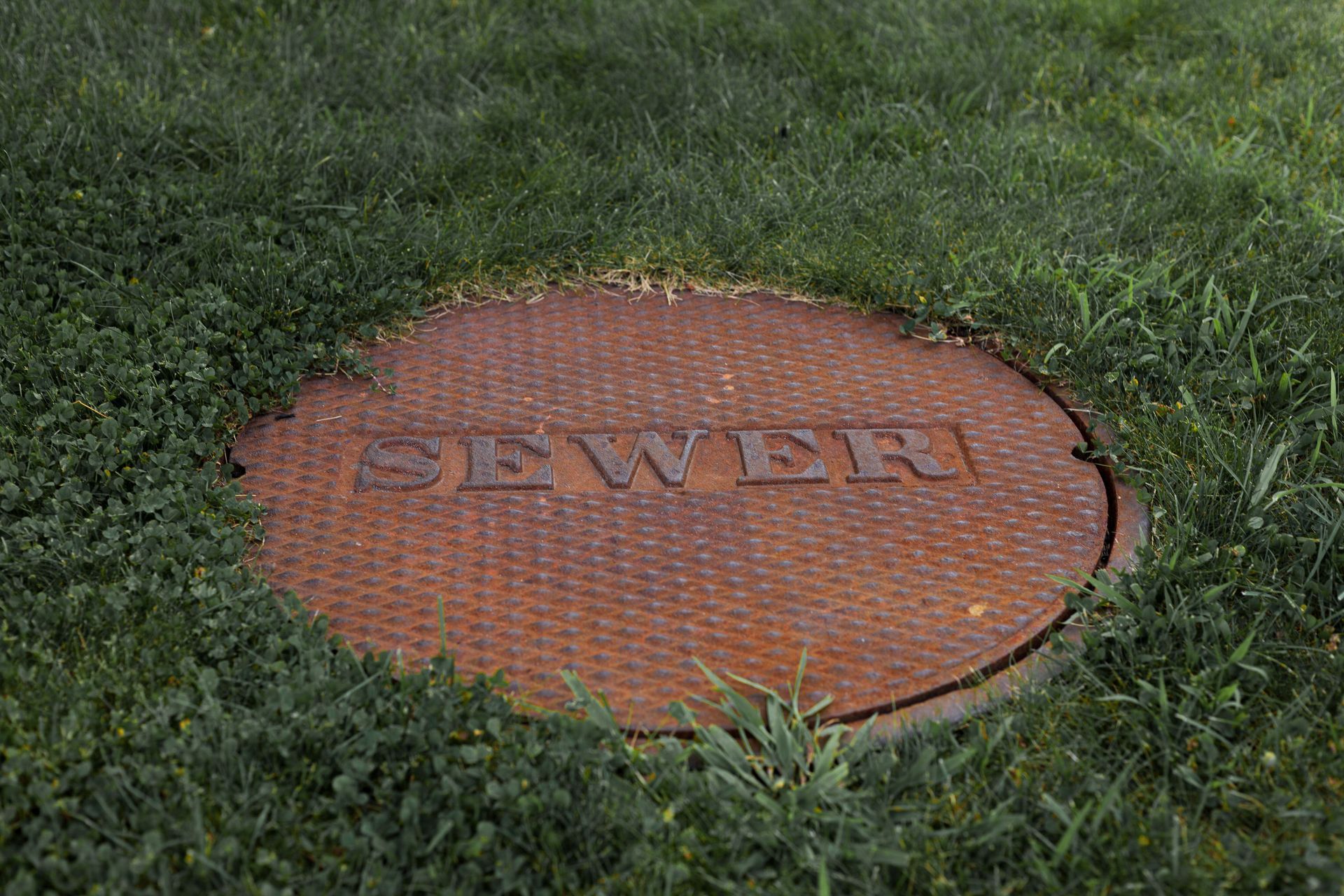
What Proper Septic Installation Requires
Site evaluation begins with soil testing through percolation tests that measure drainage capacity and determine how much drain field area your property needs based on daily wastewater volume. The septic tank size corresponds to household occupancy and fixture count, while drain field configuration follows topography and keeps required distances from wells, property lines, and structures. Installations require precise grading to maintain slope for gravity flow or pump chamber placement when elevation differences demand pressurized systems.
After installation completes, you'll see surface restoration over the drain field with established drainage patterns that prevent standing water and protect the absorption area from compaction. The system operates invisibly below ground, handling daily wastewater loads without backup, odor, or surfacing effluent when designed and installed according to site-specific soil conditions. Access risers extend to grade level for future maintenance without excavation.
System longevity depends on proper tank sizing relative to usage, adequate drain field dimensions for soil type, and installation depth that keeps components below frost lines while maintaining separation distance from seasonal high water tables. Design choices made during installation determine whether the system functions reliably for decades or requires premature repair and replacement.
What Property Owners Usually Ask
Septic system planning in Georgetown requires understanding soil conditions, regulatory requirements, and site-specific factors that affect system design and long-term performance.
What determines which type of septic system a property needs?
Soil percolation rates measured through testing determine whether conventional gravity systems work or if your site requires alternative designs like mound systems, at-grade systems, or pressurized distribution that compensate for slow-draining soils or high water tables.
How does Georgetown soil affect drain field sizing?
Clay content in local soils slows percolation rates and requires larger drain field areas compared to sandy or loamy soils that drain faster, with sizing calculations based on percolation test results and projected daily wastewater volume from your household.
When should septic installation happen during new construction?
System installation typically follows foundation work and rough grading but precedes final landscaping, allowing heavy equipment access without damaging finished surfaces and ensuring proper elevations relative to home plumbing connections.
What's included in the installation beyond the tank and drain field?
Complete installations include excavation, tank and distribution box placement, drain field trenching with gravel and pipe, connection to home plumbing, electrical for pump systems when needed, backfilling, surface restoration, and final inspection coordination.
How long before the drain field area can handle traffic or landscaping?
Drain fields require at least one growing season for soil settlement and grass establishment before supporting light foot traffic, and they permanently prohibit vehicle traffic, structures, or deep-rooted trees that could damage buried components or compact soil and reduce absorption capacity.
Ritchey Land Solutions designs septic installations based on your property's specific soil characteristics, topography, and usage requirements. Request a property evaluation to identify the system configuration that works with your site conditions and meets Georgetown regulatory standards for long-term wastewater management.